


-
by admin
Liposuction is a surgical procedure designed to reshape specific areas of the body by removing localized fat deposits that may be resistant to diet and exercise. However, it is not a weight-loss method and does not prevent future weight gain.
So, what happens to the body if you gain weight after liposuction, and can weight gain completely reverse the results?
Can You Gain Weight After Liposuction?
Yes. During liposuction, some of the fat cells in the treated area are permanently removed. However, not every fat cell in the body is removed. If a person regularly consumes more energy than the body needs, the remaining fat cells can increase in size, leading to weight gain.
For this reason, balanced nutrition, regular physical activity and weight management remain important after liposuction.
Does Fat Return to the Treated Area?
The fat cells removed during liposuction do not grow back. Nevertheless, fat cells that remain in the treated area can enlarge when weight is gained.
Minor weight fluctuations may not completely eliminate the improvement achieved through surgery. Significant weight gain, however, can change the appearance of the treated area and reduce the definition of the new body contour.
Can Fat Accumulate in Different Areas?
Weight gained after liposuction does not necessarily accumulate only in the treated area. Genetics, hormones, age, lifestyle and the body’s natural fat-distribution pattern can influence where changes become most noticeable.
Fat accumulation may appear more prominent in untreated areas such as the abdomen, waist, back, hips, arms or legs. With substantial weight gain, an increase in volume can occur throughout the body, including areas previously treated with liposuction.
Will Weight Gain Ruin the Results?
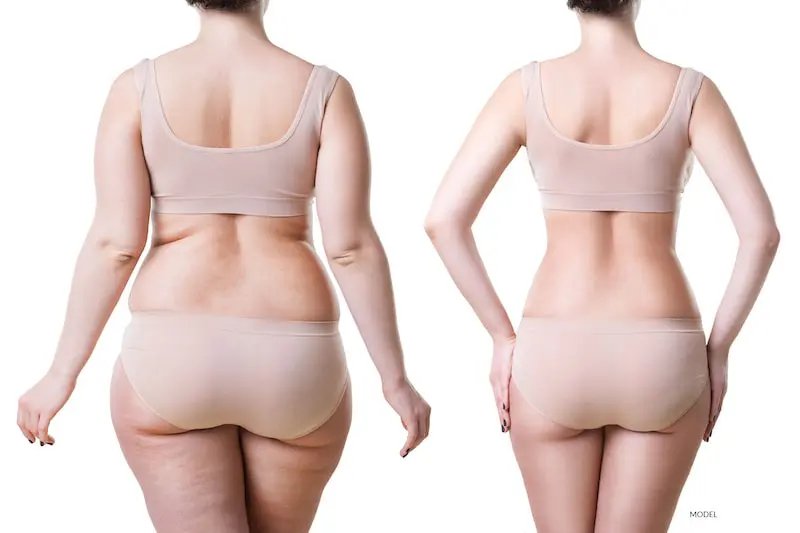
This depends on how much weight is gained and how it is distributed. With small weight fluctuations, the improved body contour may remain largely visible. More substantial weight gain may reduce definition and alter the proportions created by the procedure.
Maintaining a stable weight close to the preoperative level generally helps preserve liposuction results for longer.
Can Postoperative Swelling Be Mistaken for Weight Gain?
Swelling and fluid retention are expected during the first weeks after liposuction. Temporary changes on the scale or increased volume in the treated area do not always indicate new fat accumulation.
Recovery varies from person to person, and it may take several months for the final body contour to become clear. Therefore, the early postoperative appearance should not be considered the final result.
A doctor should be contacted if swelling lasts longer than expected, suddenly becomes worse or is accompanied by symptoms such as increasing pain, redness or warmth.
How Can You Maintain Your Weight After Liposuction?
The following habits may help support long-term results:
- Following the postoperative plan provided by the surgeon
- Maintaining a balanced and sustainable eating pattern
- Drinking enough water
- Resuming regular exercise after receiving medical approval
- Avoiding repeated cycles of rapid weight gain and weight loss
- Paying attention to sleep quality and stress management
Fat cells removed through liposuction do not return, but the fat cells remaining in the body can become larger with weight gain. Significant weight gain may therefore change the body contours achieved through surgery.
Maintaining a stable body weight and sustainable lifestyle habits plays an important role in preserving the results. The appropriate procedure, recovery process and expected outcome vary between individuals. A consultation with a qualified plastic, reconstructive and aesthetic surgeon is necessary for personalized medical guidance.

