


-
by admin
One of the most commonly performed procedures in aesthetic surgery, liposuction, has become more comfortable, precise, and associated with faster recovery times in 2026 thanks to advancing technologies. In this article, we cover what liposuction is, who it is suitable for, which techniques stand out, and what the process involves.
What Is Liposuction?
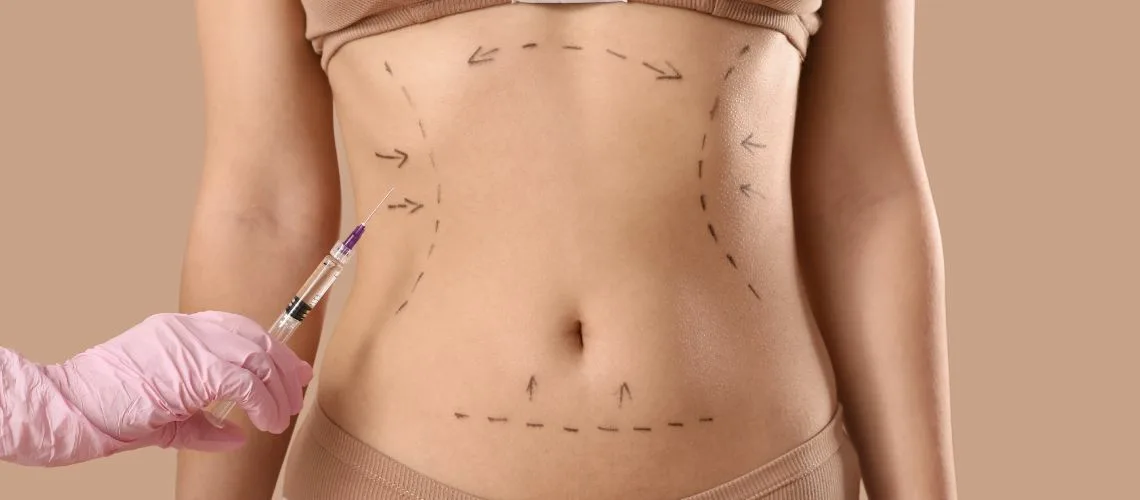
Liposuction is a surgical procedure designed to remove stubborn fat deposits that do not respond to diet and exercise. It is not a weight-loss surgery; rather, it is a body contouring procedure aimed at reshaping and refining body proportions.
Most commonly treated areas include:
- Abdomen and waist
- Hips
- Inner and outer thighs
- Arms
- Back
- Chin (submental area)
- Male chest (gynecomastia)
Liposuction Techniques in 2026
With technological advancements, several modern techniques are now widely used alongside traditional methods:
1. VASER Liposuction (Ultrasound-Assisted)
Uses ultrasonic energy to liquefy fat cells while minimizing damage to surrounding tissues.
✔ Smoother results
✔ Less bruising
✔ Faster recovery
2. Laser-Assisted Liposuction
Laser energy melts fat while simultaneously promoting skin tightening. Particularly beneficial for patients with mild skin laxity.
3. Power-Assisted Liposuction (PAL)
Uses vibrating cannulas to allow more controlled and uniform fat removal, offering technical advantages for the surgeon.
4. High-Definition Liposuction (Hi-Def)
An advanced sculpting technique designed to enhance muscle definition. Often preferred by patients seeking a more athletic appearance.
Who Is a Good Candidate?
- Individuals close to their ideal body weight
- Those with localized fat deposits
- Patients with good skin elasticity
- Individuals in good overall health
Not suitable for:
- Patients with severe obesity
- Uncontrolled diabetes or serious heart disease
- Bleeding disorders
What Is the Procedure Like?
Duration
Typically between 1–3 hours, depending on the treated areas.
Anesthesia
Usually performed under general anesthesia, though small areas may be treated under local anesthesia.
Hospital Stay
Most patients are discharged the same day or stay one night.
Recovery Process
- Swelling and bruising are common during the first week.
- Compression garments are recommended for 3–4 weeks.
- Light walking is encouraged early on.
- Final results typically become visible within 2–3 months.
Liposuction Trends in 2026
- More natural-looking results
- Combination procedures (e.g., liposuction with tummy tuck)
- Increasing demand among male patients
- Growing preference for minimally invasive techniques
- Personalized body contouring plans
Are There Risks?
As with any surgical procedure, liposuction carries potential risks, including:
- Infection
- Irregular contours
- Temporary numbness
- Fluid accumulation (seroma)
Choosing an experienced plastic surgeon and proper patient selection significantly reduces these risks.
Are the Results Permanent?
The removed fat cells are permanently eliminated. However:
- Significant weight gain can cause remaining fat cells to enlarge.
- Maintaining a healthy lifestyle is essential for long-term results.
In 2026, liposuction has become safer and more comfortable thanks to technological advancements. However, it is important to remember that it is not a weight-loss method, but a body contouring procedure. Proper patient selection and choosing an experienced surgeon are the key factors for achieving successful and satisfying results.

